Conditions treated in prosthodontic practice
Most patients arrive describing a functional problem or aesthetic concern rather than requesting a specific procedure. These pathways help you identify what may be happening and which treatment options address it.
None of the information below is a diagnosis. Treatment recommendations follow an in-person examination.
Clinical Index
Find what matches your situation
Each condition card outlines the common signs, the underlying functional significance, and the specialist prosthodontic pathways available.
One or more missing teeth
A single gap changes how neighbouring teeth are loaded. Over time, teeth drift and the opposing tooth over-erupts, which narrows the options later.
Common signs noticed:
- Visible gap
- Food packing
- Drifting or tilting teeth
- Chewing on one side
Clinical significance: Replacement is a space and load problem before it is an aesthetic one; planning early usually keeps treatment simpler.
All teeth missing in one or both jaws
Complete tooth loss affects speech, diet and facial support. Options range from conventional dentures to implant overdentures and fixed full-arch teeth.
Common signs noticed:
- Long-standing denture use
- Difficulty eating
- Facial collapse
- Ridge soreness
Clinical significance: Bone volume and jaw relationship determine which designs are realistic — an examination and CBCT are required before promising fixed teeth.
Loose or unstable dentures
Instability is usually a combination of ridge resorption, denture fit and bite errors. Not every loose denture needs implants; some need relining or remaking.
Common signs noticed:
- Denture lifts when eating
- Adhesive dependence
- Ulcers
- Slurred speech
Clinical significance: Correct diagnosis avoids paying for implants when the actual fault is an inaccurate fit surface or an unbalanced occlusion.
Severely worn or short teeth
Wear from grinding, erosion or an unfavourable bite shortens teeth and can reduce the height of the lower face.
Common signs noticed:
- Flattened edges
- Sensitivity
- Yellow dentine showing
- Teeth appear short
Clinical significance: Restoring worn teeth without first analysing the cause and the vertical dimension tends to produce repeat fractures.
Collapsed bite and reduced facial height
When posterior support is lost, the bite closes down and the front teeth take load they were not designed for.
Common signs noticed:
- Deepening bite
- Chipping front teeth
- Cheek biting
- Aged lower face
Clinical significance: Re-establishing vertical dimension is a planned, tested step — not something added incidentally during crown work.
Difficulty chewing
Reduced chewing ability may come from missing posterior teeth, an unstable prosthesis, pain or an uneven bite.
Common signs noticed:
- Avoiding foods
- Chewing on one side
- Jaw fatigue
- Digestive complaints
Clinical significance: Function is the primary outcome measure of prosthodontic treatment.
Failed or failing crowns and bridges
Recurrent decay at margins, debonding, fracture or gum recession around old crown work often signals a planning or load problem rather than bad luck.
Common signs noticed:
- Dark margins
- Repeated recementation
- Chipped ceramic
- Pain on biting
Clinical significance: Remaking a restoration on the same faulty foundation repeats the failure; the cause has to be diagnosed first.
Failed or painful implants
Implant problems fall broadly into biological (peri-implant infection, bone loss) and mechanical (screw loosening, fracture, poor prosthetic design) categories.
Common signs noticed:
- Bleeding around implant
- Mobility
- Screw loosening
- Recession or metal showing
Clinical significance: Salvage decisions depend on remaining bone and on whether the original prosthetic design was correct.
Jaw bone loss
Bone volume reduces after extractions, long-term denture wear or periodontal disease, and it determines implant feasibility.
Common signs noticed:
- Flat ridge
- Long-standing tooth loss
- Denture instability
- Sunken profile
Clinical significance: Grafting, sinus lift, angled implants or a different prosthesis type may each be appropriate; a CBCT decides.
Bruxism and clenching
Parafunctional loading is one of the most common reasons restorations and implant components fail early.
Common signs noticed:
- Morning jaw soreness
- Wear facets
- Fractured restorations
- Partner reports grinding
Clinical significance: Any reconstruction plan must include load management and a protective appliance strategy.
Uneven bite after dental work
A restoration that is high or a changed occlusal scheme can cause discomfort, sensitivity and muscle strain.
Common signs noticed:
- One tooth hits first
- New sensitivity
- Muscle tenderness
- Difficulty finding the bite
Clinical significance: Occlusal analysis identifies whether adjustment, remake or a broader plan is needed.
Post-cancer and post-surgical rehabilitation
After maxillofacial surgery or oncology treatment, prostheses may be needed to restore speech, swallowing and appearance.
Common signs noticed:
- Oro-nasal communication
- Post-surgical defect
- Xerostomia
- Difficulty speaking
Clinical significance: These cases are managed with the treating medical and surgical team, not in isolation.
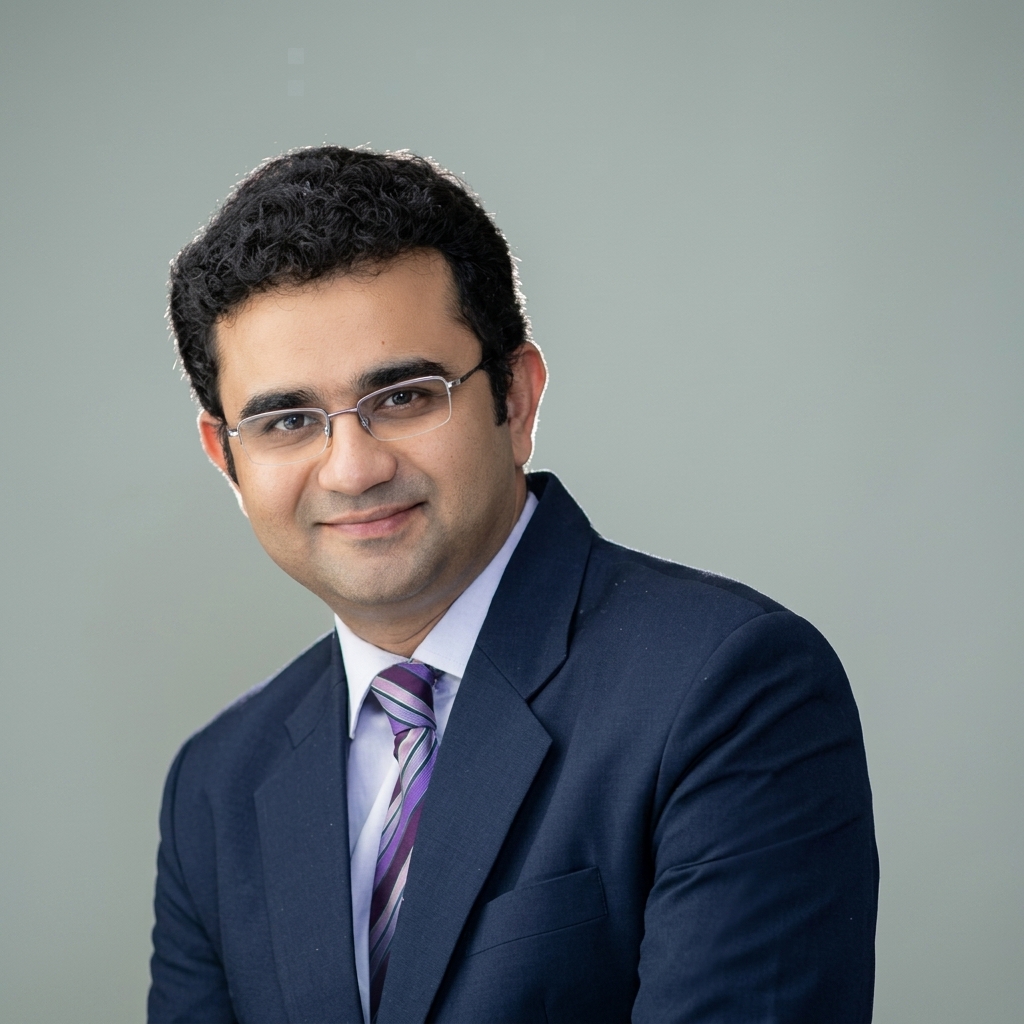
"Treating symptoms without diagnosing the underlying mechanical cause leads to recurring dental failures. Whether it is a cracked tooth or a failed implant, we analyze the whole masticatory system before proposing a solution."
Find your specialist treatment pathway
Select your primary clinical concern to view the standard prosthodontic strategy and discuss your case directly with Dr. Ranganatha Rao.
In-depth pages for specific problems
Each guide explains what may be happening, how it is assessed, the treatment pathways available and their limitations.
Where these pathways lead
Dr. Ranganatha Rao K. Jingade
Maxillofacial Prosthodontist and Implantologist · Fellow, International Congress of Oral Implantologists (ICOI, USA)
Directly oversees all treatment planning and prosthodontic reconstructions at Sree Ranganatha Teeth & Implant Dental Clinic's - GM Palya, Bangalore, Dhanavanthri Health Care, Krishna Nilaya, Ground Floor, 4th Main, opposite Nandini Bakery, G M Palya, New Thippasandra Post, Bengaluru 560075. Daily evening appointments from 6:30 PM to 10:30 PM.
Clinical Limitations & Biomechanical Considerations
- Outcomes vary between patients and depend on diagnosis, bone and gum health, bite forces, medical history and maintenance.
- No treatment described on this site is guaranteed, painless for every patient, or suitable for everyone.
Scientific Literature & Prosthodontic Evidence
- Glossary of Prosthodontic Terms (The Academy of Prosthodontics — Journal of Prosthetic Dentistry)
- ITI Treatment Guide series (implant treatment planning) (International Team for Implantology)
- Additional page-specific references (To be added at medical review.)
Connected treatments & diagnostic guides for All conditions
Explore interconnected clinical pathways, anatomical diagnostics, and restorative treatment stages mapped specifically for this topic.

Treatment for One Missing Tooth
One missing tooth can affect appearance, chewing, tooth position and the opposing tooth. Replacement options include an implant crown, a tooth-supported bridge or a removable prosthesis, selected according to bone, the neighbouring teeth, the bite and patient priorities.
Etiology & DiagnosisTreatment for Multiple Missing Teeth
Several missing teeth require a plan for the entire span and the remaining dentition. Options include implant-supported bridges, individual implants, tooth-supported bridges and removable partial dentures, each with different biological and maintenance implications.
Etiology & DiagnosisTreatment When All Teeth Are Missing
When all teeth are missing, replacement options include complete dentures, implant overdentures and fixed full-arch implant prostheses. Bone, general health, lip support, speech, hygiene ability, expectations and maintenance capacity determine which is suitable.
 Etiology & Diagnosis
Why Dentures Become Loose
Loose dentures may result from ridge resorption, an inaccurate fit, poor border extension, worn teeth, an unstable bite or unfavourable tooth position. Treatment should diagnose the cause before relining, remaking or adding implant retention.
Etiology & DiagnosisTreatment for Broken Teeth
A broken tooth may require bonding, an onlay, a crown, root canal treatment or extraction depending on fracture depth, remaining structure, pulp status, gum level and restorability. Early assessment preserves more of the available options.
Etiology & DiagnosisWhy Teeth Become Severely Worn
Severe tooth wear can be caused by grinding, dietary or gastric acid, abrasion or a combination of factors. Treatment begins by controlling the active causes and determining whether protective, additive or full rehabilitation is appropriate.
People Also Ask About All conditions
Frequently discussed clinical considerations clarified during specialist consultations at Sree Ranganatha Clinic.